


Conference with Philippe Voyer
What are the characteristics of an optimal living environment for seniors with Alzheimer's disease?
Alzheimer's disease presents a major challenge for senior living facilities, both clinically and organizationally. This conference offers practical insights into the characteristics of a physical, social, and relational environment truly adapted to the needs of people living with Alzheimer's disease.
Drawing on best practices in gerontology, Philippe Voyer will begin by addressing staff training, a central element in supporting humane, consistent, and safe care approaches. He will then discuss the components of an optimal environment, including quality of life, stimulation tailored to residual abilities, and daily risk management. Particular attention will be paid to the role of the family, considered an integral part of the individual's living environment.
At the end of this conference, participants will be able to:
- Identify the essential characteristics of an optimized accommodation environment for people with Alzheimer's disease.
- Recognize the importance of staff training as a fundamental element of quality care in residential settings.
- Describe the principles of an optimal environment emphasizing quality of life, appropriate stimulation, and risk management.
- To situate the role of the family in the creation and maintenance of an optimal accommodation environment.
- Apply practical strategies.
🗓️Date and time
February 4, 2026, 6 p.m.
Duration: 60 minutes
📍Location:
Château Pierrefonds / Maison l'étincelle
15928 Gouin Blvd.,
Sainte-Geneviève, QC H9H 1C8
Microsoft Teams meeting
Join: teams.microsoft.com/meet/24371712305071?p=jfOrVhWTNUU3fvPP5n
Meeting number: 243 717 123 050 71
Secret code: 6p27qn2p
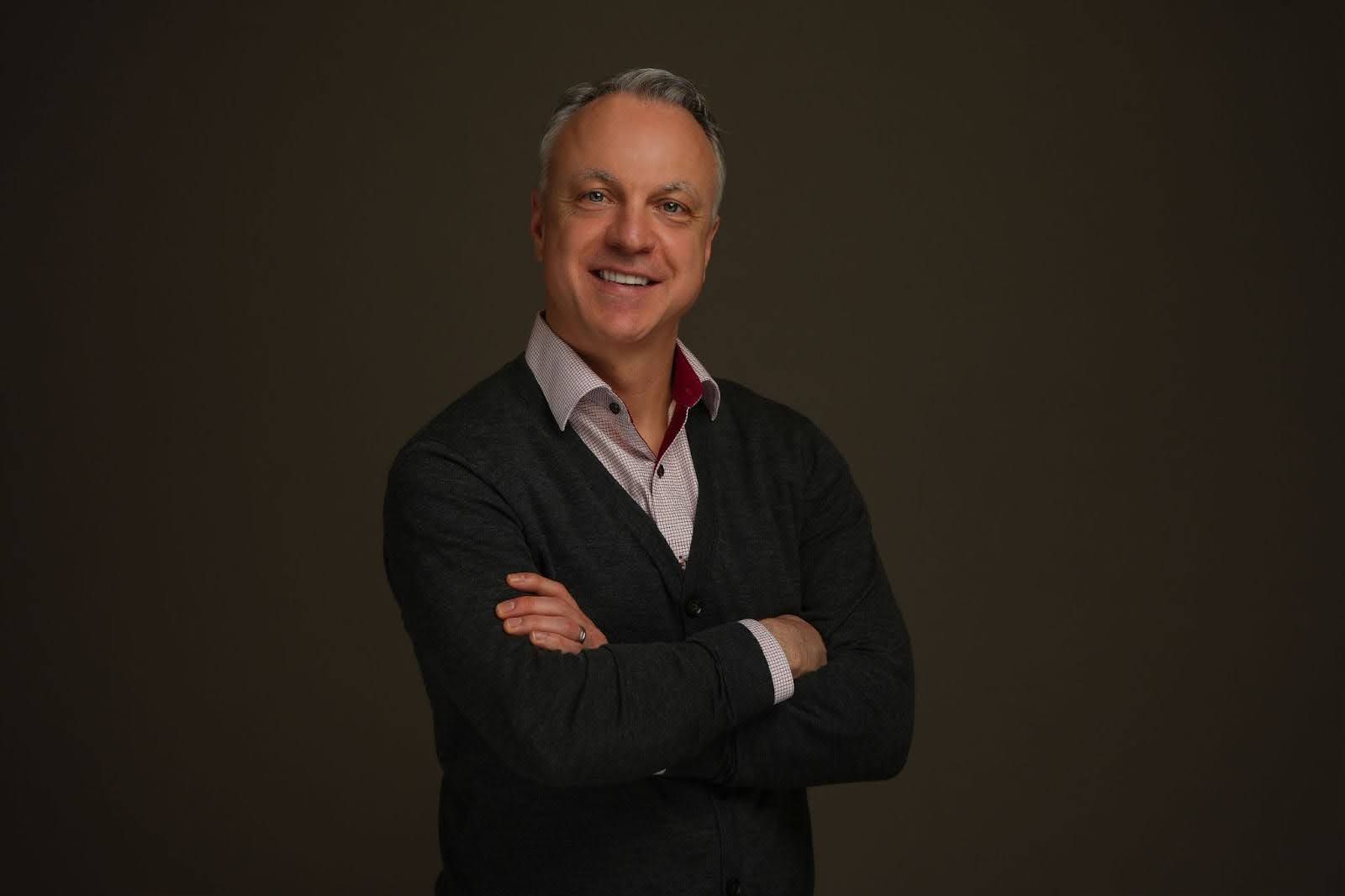
Philippe Voyer, RN, PhD, is a recognized expert in geriatric nursing and Alzheimer's disease, and the author of several widely used books in Quebec, French-speaking Canada, and Europe. A recipient of numerous awards for excellence in teaching and research, he notably received the ACESI Nursing Research Excellence Award and the OIIQ Florence Award.
He designed several courses in geriatric nursing, supervised numerous graduate students, and led projects on Alzheimer's disease, behavioral disorders, delirium, and the optimal use of medications. Deeply committed to continuing education, he was mandated by the Ministry of Health and Social Services (MSSS) to lead large provincial training programs, including one on clinical examination for 34,000 nurses.
Clinically and organizationally, he was instrumental in establishing the first Alzheimer's long-term care facility in Quebec and served as an advisor to the Quebec government on the implementation of seniors' residences. He was also the principal designer of the RADAR tool for delirium detection and remains active in clinical practice, research, and the dissemination of knowledge about aging.
To learn more: philippevoyer.org/biography